
AAAR (Association for Awareness of Applied Research)
Honoring Achievements, Cultivating Success
Enter Your Details
HURRY, DON’T MISS THIS OPPORTUNITY
NOMINATE YOURSELF NOW!!
Who we are
AAAR - Where Excellence Meets Recognition
AAAR (Association for Awareness of Applied Research) established in 2019 is a not-for-profit organization registered with Government of India (IN-DL77473825006013R). We believe that true dedication and hard work deserves outstanding recognition. We are a non-profit organization dedicated to honoring scholars and graduates who have made indelible marks in their respective fields. Our aim is to celebrate their outstanding contributions to research, academic and social work, and to inspire others to follow in their footsteps to create leaders of tomorrow.


Researchers' Felicitated
AAAR (Association for Awareness of Applied Research)
OUR MAIN CORE VALUES
To create a world where excellence in research, academics, and social impact is not only recognized and celebrated creating an inspiration and impact for individuals and communities to discover their full potential.
01
AAAR is dedicated to research as well as recognizing & honoring scholars and personals who have achieved remarkable status. We aim to celebrate their exceptional contributions, inspire future generations, and bring a culture of honoring such massive achievements.
02
Our main aim is to empower scholars and graduates to continue making a positive impact on society through their research and academic skills. We strive to provide them with the recognition, support, and resources they need to succeed.
03
IFEA Awards 2024
Glimpses from our Past Event

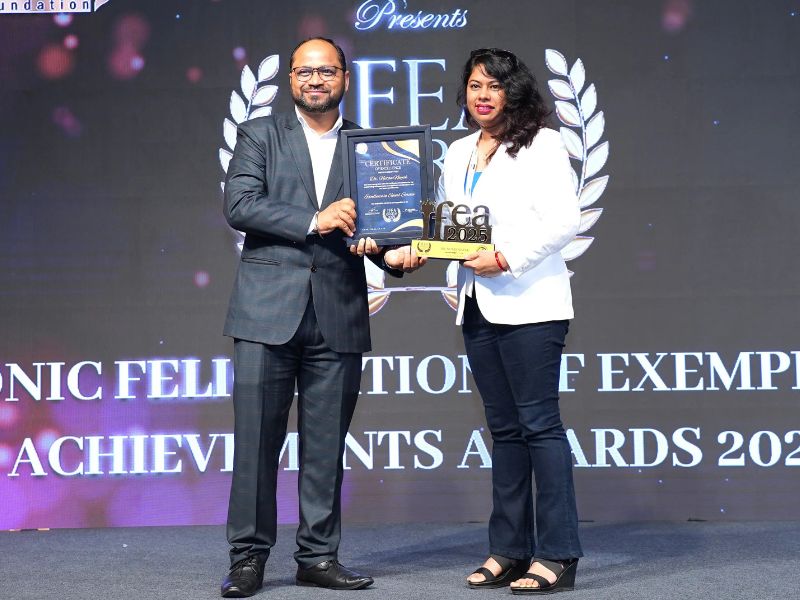
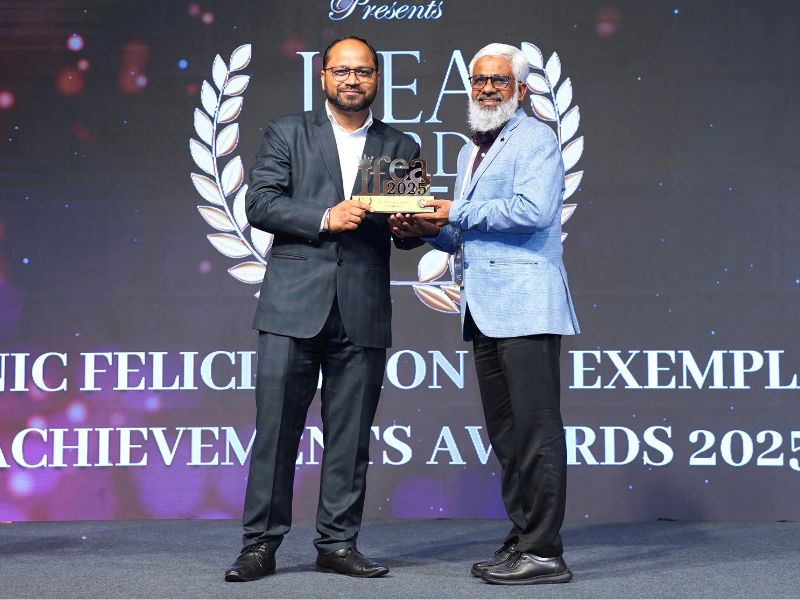

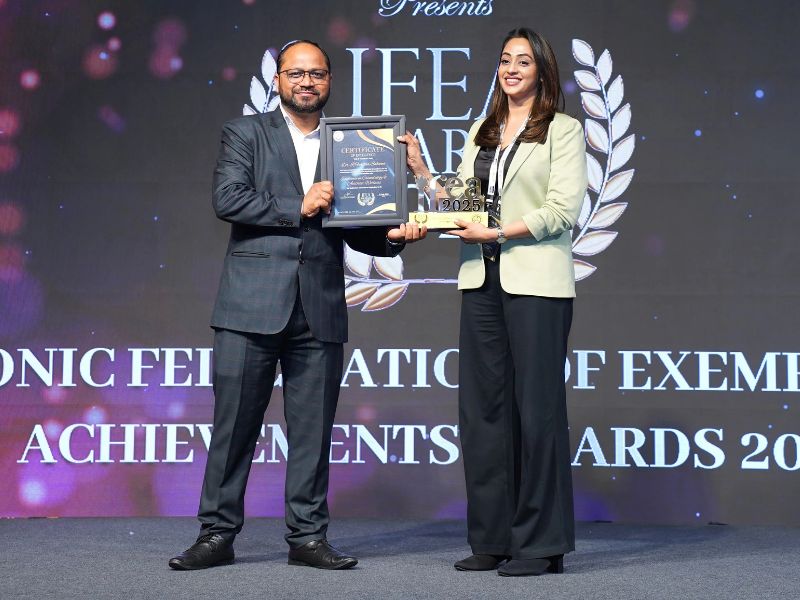
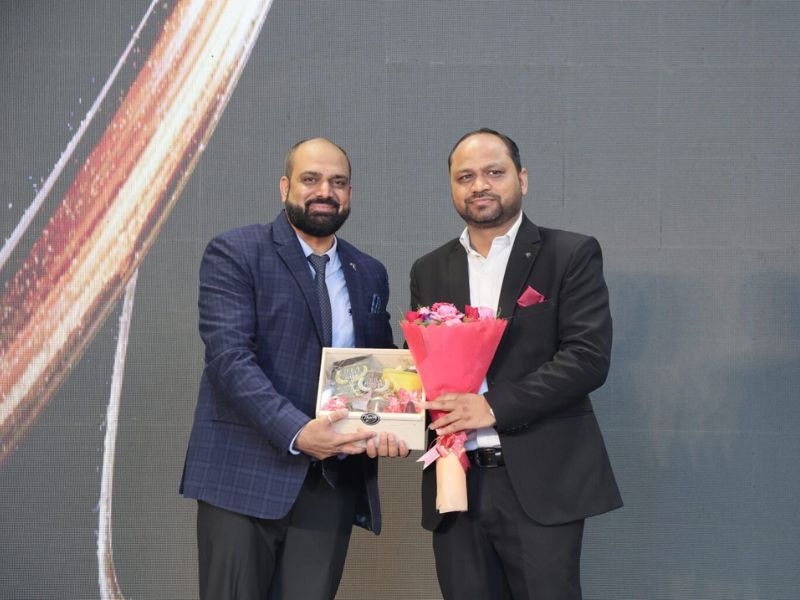
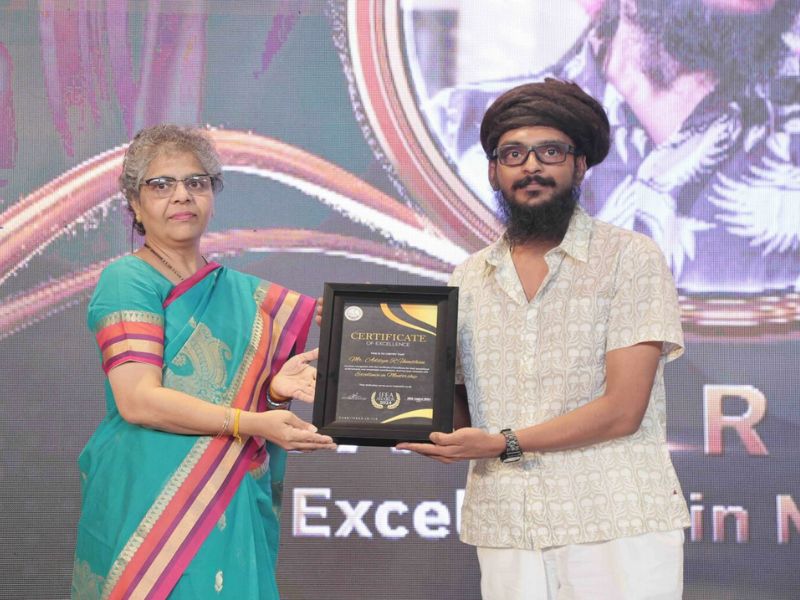

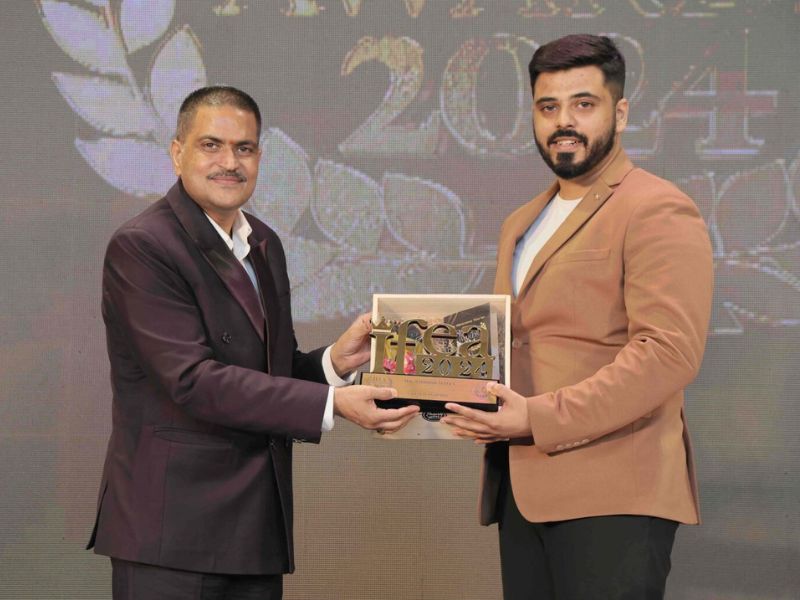
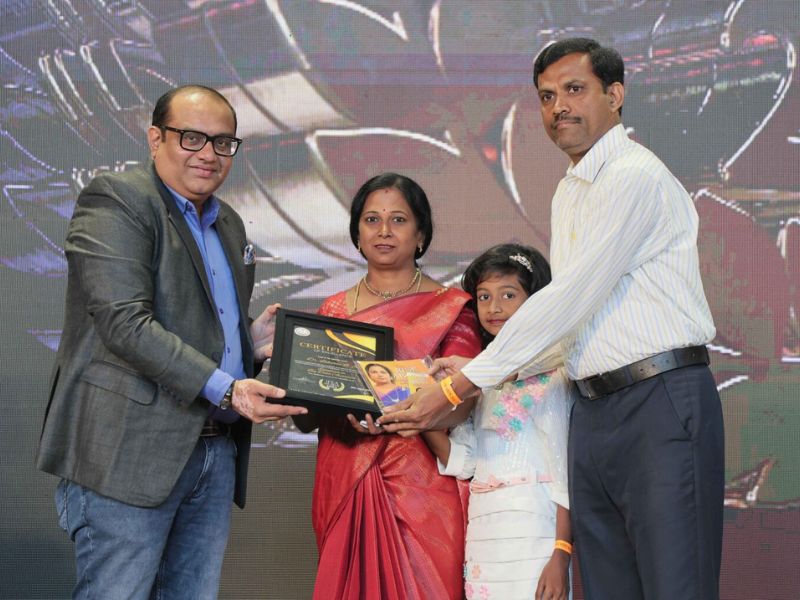
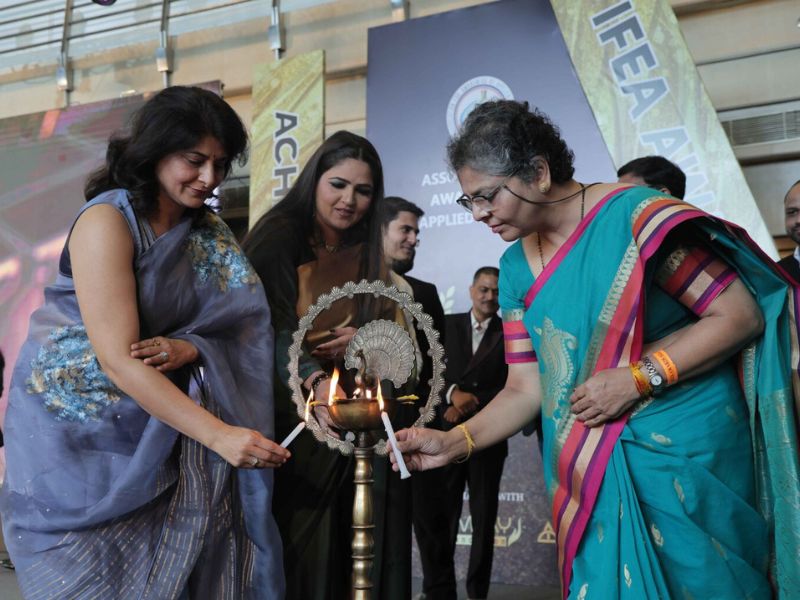
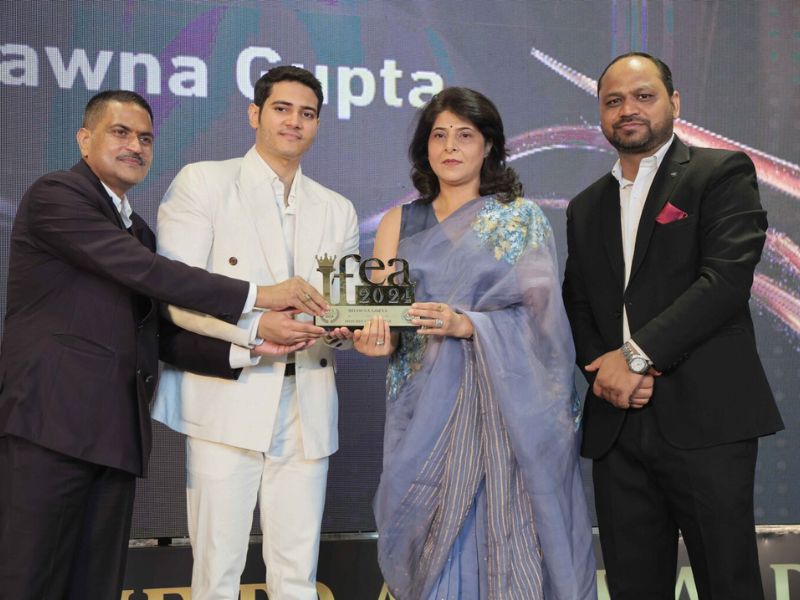

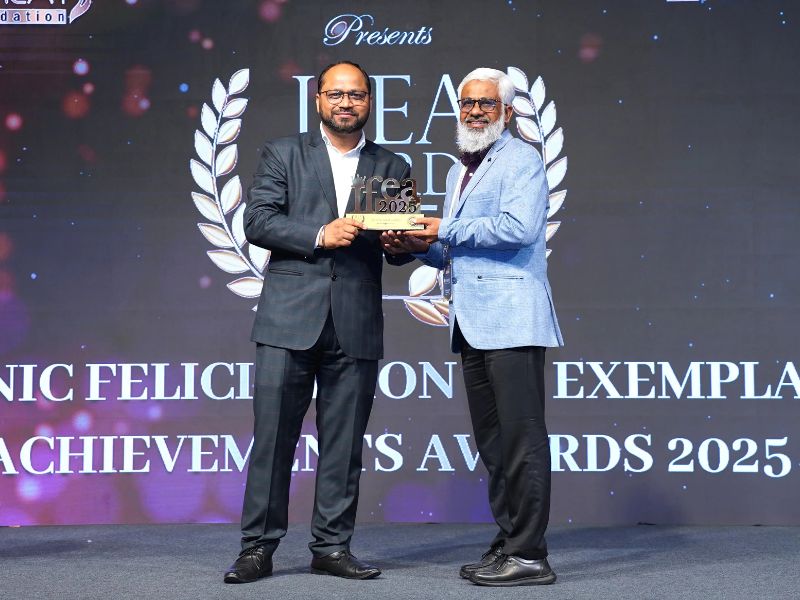

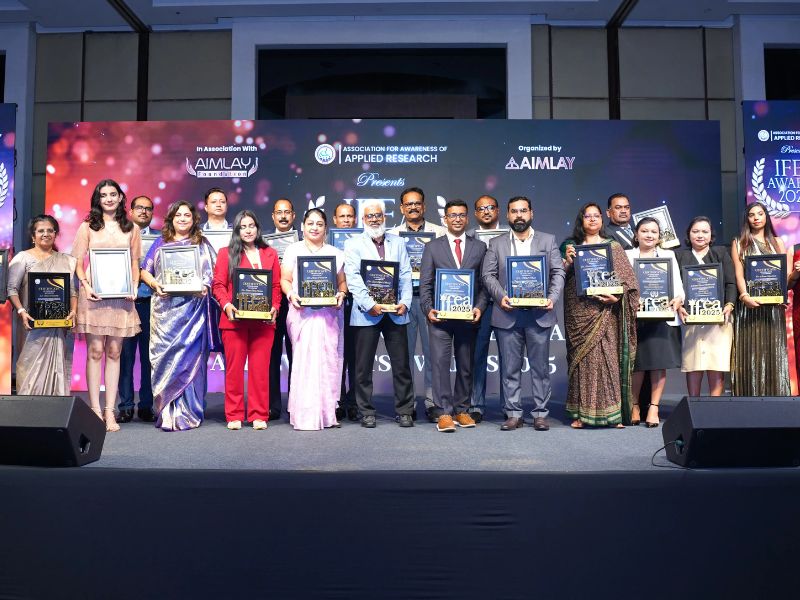
Building Bridges, Changing Lives:Recognizing Excellence in Research and Social Advocacy.


Our Features
Inspiring Minds, Recognizing Excellence
Our platform is designed to recognize excellence, provide assistance, and foster a culture of innovation and positive impact.
- Recognition and Awards
- Research Grants
- Educational Resources
- Community Engagement
- Mentorship Programs
- Publication Support
- Career Development
- International Collaboration
GALLERY


RESEARCH FIELDS
List of Research Fields we offer
Food and Nutrition Security has been a focus area of the AAAR since inception. The activities included research, community based interventions to promote food security, building capacity at the community level, demonstrating models and policy advocacy.
The programme approached the problems always with principles of the local participation, gender equality, empowering the vulnerable, self-reliance of local communities, social equity, blending modern and traditional knowledge in the programme.
Our activities encompass cutting-edge research initiatives, community-based interventions aimed at promoting biotechnological advancements for food and nutrition security, capacity building at the grassroots level that foster sustainable biotechnological solutions.
History is the cornerstone focus area of the AAAR, deeply rooted in understanding the past to shape the future. Our activities encompass comprehensive research endeavors, delving into historical narratives, and cultural heritage preservation.
Nanotechnology stands as a pivotal focus area of the AAAR, representing the forefront of scientific innovation and technological advancement. Our activities in nanotechnology encompass rigorous research and development initiatives.
Literature holds a central focus within the endeavors of AAAR, representing a rich tapestry of human expression and cultural heritage. AAAR is committed to promoting literary excellence and nurturing emerging talents through various initiatives.
Nominate yourself
for this esteemed recognition
Why AAAR
At AAAR, we understand the importance of choosing the right support to assist your academic and research endeavors.
Some of our excellent features are:
When you choose AAAR, you choose to be a part of a community that values and recognizes excellence.
AAAR offers resources and guidance for advancing your career in academics and research.
With AAAR expand your research horizons and contribute to global knowledge exchange.
Connect with like-minded individuals and expand your professional network.

IFEA 2025 - Nomination Categories
- Management
- Fine Arts
- Sales and Management
- Real Estate Management
- Business Management
- Fitness
- Social Welfare
- English
- Project Management
- IT
- Organic Theatre
- Pharmaceutical
- Marketing and Brand Management
- Holistic Science
- Environmental Conservation
- Education
- Yoga
- Hotel Management
- Process Excellence
- Data Analytics
- Aviation
- Astronomy and Space Science
- Engineering
- Many more...
Why Iconic Felicitation of Exemplary Achievement Awards?
The Iconic Felicitation of Exemplary Acheivements Awards (IFEA) honours the far-reaching work and efforts of researchers, professional, entrepreneurs and organizations in almost every business sector across the Globe.
Testimonial
Feedback & Reviews


